Partners

    We work collaboratively with many partners and welcome opportunities to form new relationships. Here are some examples of our partnerships.

    Teacher Training Schools Partnership

    In partnership with more than 500 schools and colleges across greater London, we train 1,200 plus new teachers each year. School and college staff work closely with Institute colleagues in developing and delivering initial teacher education of the highest quality. The emphasis is not just on training but also on the development of the professional skills of partner teachers through dedicated conferences, course opportunities and collaborative school-based research.

    Science Learning Centre London (SLCL)

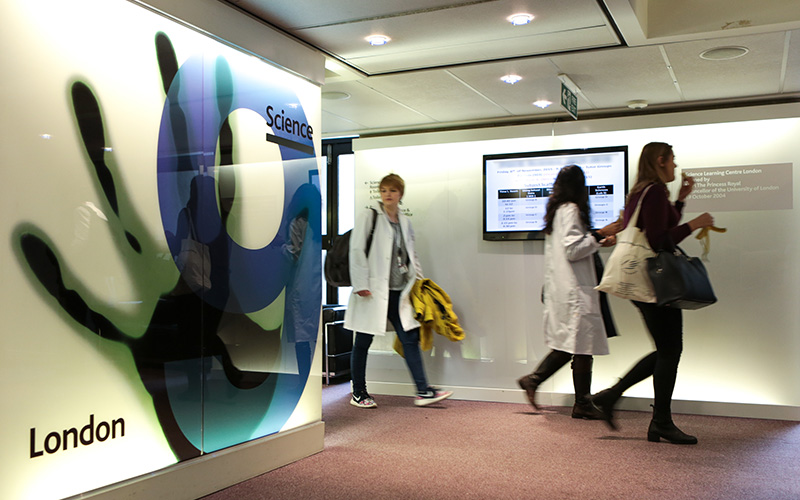
    Science Learning Centre London is one of nine regional centres funded by the Department for Children, Schools and Families (DCFS)  to raise the quality of science education across England.It provides high quality professional development for science teachers and technicians using newly refurbished labs and advanced ICT equipment. As well as improving knowledge, the centre aims to reinvigorate teaching skills, boosting scientific literacy and the understanding ofscience's impact on society among pupils. The centre operates in collaboration with the Science Museum, University College London and Birkbeck, University of London.

    The Bloomsbury Colleges

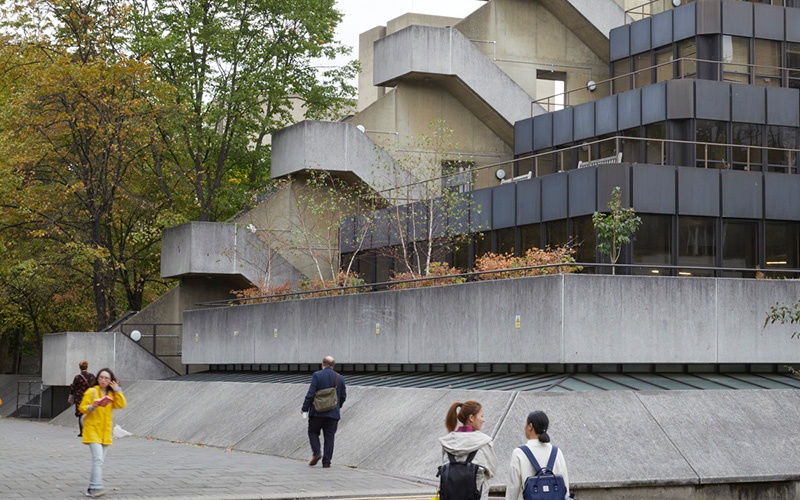
    The Institute collaborates actively with five other specialist colleges in Bloomsbury – Birkbeck, the London School of Hygiene and Tropical Medicine,the School of Oriental and African Studies (SOAS), the School of Pharmacy and the Royal Veterinary College – to enhance the profile of the individual colleges and improve the impact and effectiveness of their work. The expertise available provides a unique resource to further enrich the academic life of the Institute.

    Centre for the Economics of Education (CEE)

    A partnership between the Institute, the London School of Economics, and the Institute for Fiscal Studies, CEE carries out research into the financial benefits brought by education. Most recently, the centre has become involved with understanding the processes governing achievement in schools.  It has contributed extensive knowledge in areas including adult learning and the link between family background and educational attainment. Other topics considered by the centre include early years education, pupil mobility and ICT use in education.

    Economic and Social Research Council Teaching and Learning Research Programme (ESRC TLRP)

    ESRC TLRP moved its base to the Institute in early 2005, with the programme's director, Professor Andrew Pollard, moving to the School of Early Childhood and Primary Education. ESRC TLRP is the largest funded research programme in the history of educational research in the UK, and has to date received some £30m from the DCFS, the Higher Education Funding Council for England, the Scottish Executive, the Welsh Assembly, and the Northern Ireland Executive.

    London Knowledge Lab (LKL)

    Founded in 2004, the London Knowledge Lab is a unique collaboration of social scientists and computer scientists from the School of Computer Science and Information Systems at Birkbeck (University of London), and the Schools of Mathematics, Science and Technology and Culture,  Language and Communication at the Institute. LKL seeks to respond to the many challenges we face in understanding the changing relationships between learning, knowledge, media and technology, and in designing systems that will have a lasting impact on how people learn, work and communicate. More than 50 researchers learn and work together at LKL in a purpose-designed building funded by a £6 million grant from the UK government's Science Research Investment Fund.

    National Research and Development Centre for Adult Literacy and Numeracy (NRDC)

    NRDC is a consortium of partners dedicated to conducting research into adult literacy, numeracy, ESOL and ICT. It works to help improve the quality of teaching and learning so that young people and adults can progress in life and work. Established at the Institute by the Department for Education and Skills (now the DCFS)  as part of its Skills for Life initiative, the consortium members include Lancaster University, King's College London, and the Learning and Skills Development Agency.